Periodic AC Maintenance in Riyadh: What It Covers and When You Need It
Riyadh's dust and heat add to the strain on air conditioners. Learn what a professional maintenance visit includes, what you can safely do yourself, how often to service, and why maintenance contracts suit businesses.
5 min read
Why ACs in Riyadh need regular maintenance
In Riyadh, air conditioning runs for many months of the year, often for hours on end during peak summer, while high outdoor temperatures keep the outdoor unit under heavy strain. Add dust and sandstorms that clog filters and build up on the evaporator and condenser coils, and airflow drops while the unit struggles to reject heat. In restaurants and commercial kitchens, grease and cooking fumes make units dirty even faster.
The results of skipped maintenance are familiar: weaker cooling, higher electricity use, sudden breakdowns at the worst possible time and a shorter equipment life. Regular maintenance will not prevent every fault, but it catches many problems early, keeps the system efficient and reduces the risk of downtime on the hottest days, which matters a great deal for restaurants, shops and clinics that cannot afford to lose cooling.
What a professional maintenance visit includes
The purpose of a visit is not just cleaning but making sure the unit is working as it should and catching anything that could later turn into a fault. Ideally, the technician records notes on each unit, such as the condition of filters and coils and any leak or unusual noise, so you build a clear picture of your equipment over time.
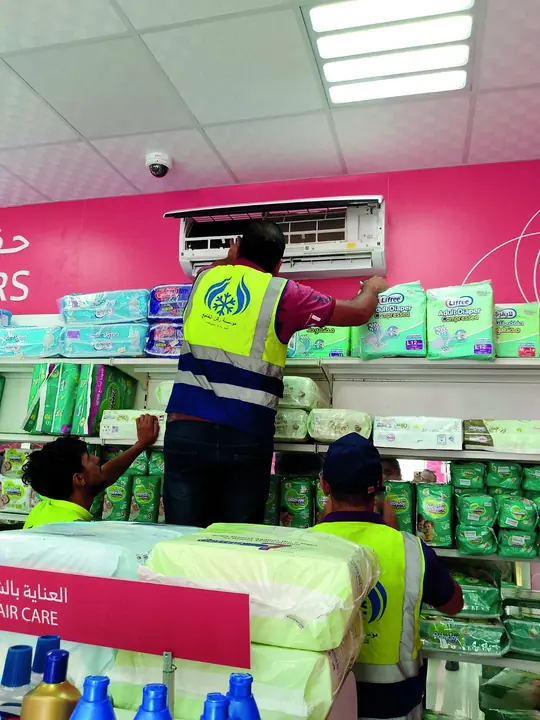
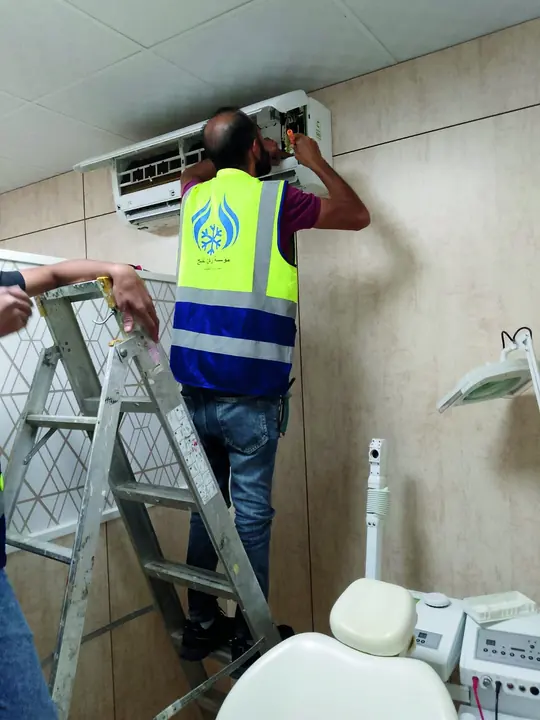
Details vary by system type, but good maintenance goes well beyond rinsing the filter. A typical visit covers:
Cleaning or replacing filters as needed, and making sure they are fitted correctly.
Cleaning the indoor evaporator coil with suitable methods and products.
Cleaning the drain pan and condensate line, and checking for blockages and leaks.
Checking cooling performance, measuring refrigerant pressures where needed, and looking for leaks if there are signs of low charge.
Inspecting and tightening electrical connections, and checking electrical components such as the capacitor and contactor.
Checking indoor and outdoor fans and motors for vibration or unusual noise.
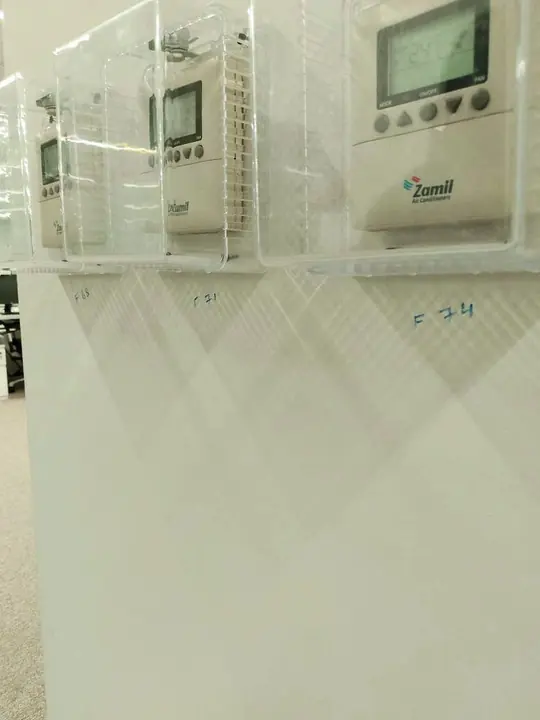
Confirming that thermostats and controls work properly and read accurately.
Cleaning the outdoor condenser coil and clearing dust and obstructions around the unit for good airflow.
What you can do yourself, and what needs a technician
Anything involving refrigerant, electrical connections, deep coil cleaning, dismantling units or clearing blocked drain lines needs a qualified technician with the right tools, and handling electrics or refrigerant without experience can put you at risk or damage the unit. It is also worth knowing that low refrigerant is not normal and is not fixed by simply topping up: the circuit is sealed, so if the charge is low there is usually a leak that must be found and repaired first, or the problem will soon return.
Simple tasks you can safely handle yourself, after switching off the power and following the manufacturer's instructions, include:
Washing reusable filters with water and letting them dry completely before refitting.
Wiping the indoor unit cover and air outlets with a dry or slightly damp cloth.
Clearing leaves, dust and stored items from around the outdoor unit, without spraying high-pressure water on the coil.
Noting any water leaks, noises or unusual smells and reporting them to a technician early.
Making sure curtains or furniture do not block supply outlets or return grilles.
Restoring the power and running the AC after cleaning to confirm that air flows normally and nothing is leaking.
How often should your AC be serviced?
Timing matters as much as regularity. Servicing before summer means the AC enters peak season clean and checked, instead of revealing faults on the hottest days, when technicians are in high demand and waiting is hard.
There is no single schedule that fits everyone. The right frequency depends on the equipment type, running hours, how dusty the location is and the manufacturer's recommendations. As a general rule:
Filters: check and clean them regularly during the cooling season, roughly every two to four weeks, more often in dusty seasons, and after every sandstorm.
Homes: professional service at least once a year, ideally before summer, with an extra visit if usage is heavy.
Businesses, restaurants and clinics: more frequent visits, for example every three to six months, depending on running hours and the nature of the space.
After a strong sandstorm or nearby construction: check the filters and outdoor unit without waiting for the scheduled visit.
Maintenance contracts: why they suit businesses
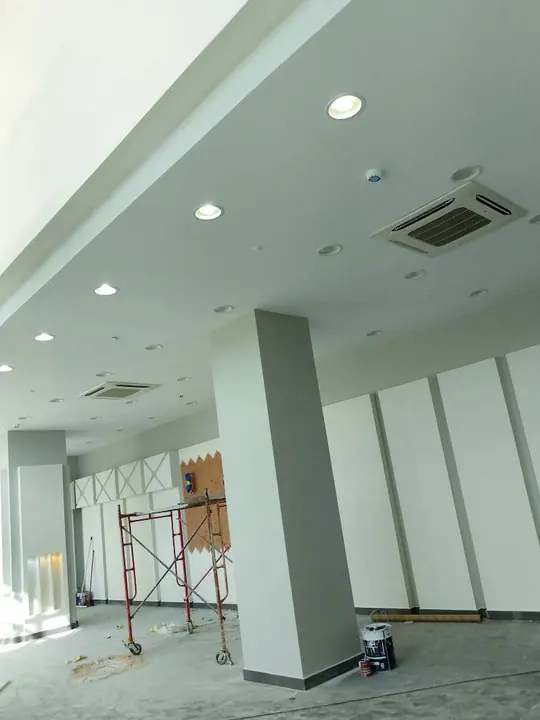
For a business, an AC failure is more than an inconvenience. It can mean lost customers in a restaurant, uncomfortable patients in a clinic or disrupted work in an office. That is why many business owners and facility managers choose a periodic maintenance contract instead of calling a technician only when something breaks. A contract also simplifies things for sites with many units or a mix of types, such as wall splits, cassettes and concealed ducted splits, because maintenance follows one clear plan.
A good contract gives you several advantages:
A fixed visit schedule, so maintenance is not forgotten when things get busy.
Small problems caught before they turn into costly failures or peak-summer downtime.
A clear record of each unit's condition to help plan repairs or replacements.
More predictable maintenance costs that can be budgeted in advance.
One responsible team that knows your systems and their history.
Key takeaway
In Riyadh's climate, periodic maintenance is a necessity, not a luxury: it protects cooling performance, lowers consumption and helps extend equipment life. Keep filters clean and leave the technical checks to a professional, at least before every summer and more often for heavily used commercial sites. If you manage a business, a maintenance contract with Rukn Al Khaleej can help you plan ahead instead of waiting for breakdowns.