Riyadh and nearby cities: Al Kharj, Al Dilam, Al Majmaah. +966 55 958 0846 ruknalkhalij969@gmail.com
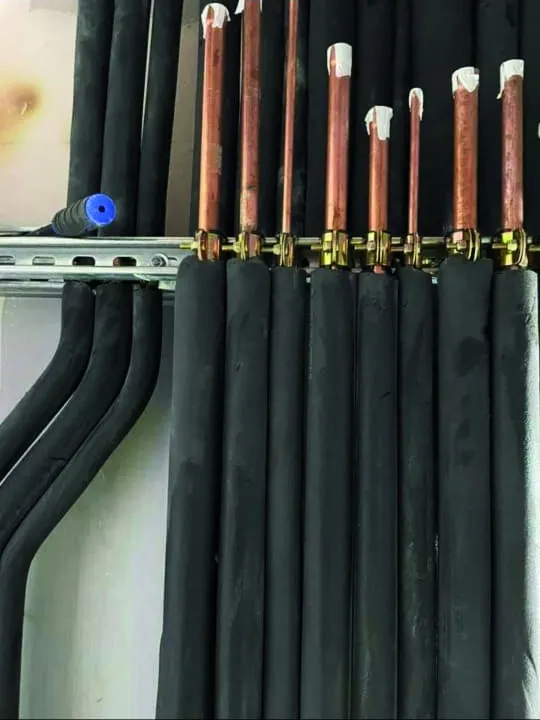
Neatly arranged insulated copper lines on a wall

Copper Piping and AC Drains

Copper and drain lines are mostly hidden in walls and ceilings, yet they largely decide how long an AC lasts and how well it performs. We carry out copper piping and AC drain works in full, whether at rough-in during construction or when relocating units and rerouting lines in existing buildings, and we test every line before use.

Rough-in during construction, extensions in existing buildings

The best time to run copper and drain lines is before ceilings and walls are closed. Lines go into hidden routes, every indoor and outdoor unit position is fixed in advance, and the final installation stays clean with no chasing into walls or visible trunking.

In existing buildings we extend lines, relocate units and reroute pipework, choosing the safest and neatest path and using trunking and covers to protect exposed runs and keep the space looking tidy. On construction projects we work to the contractor's programme, so the lines are ready ahead of plastering and ceilings without holding up other trades.

Copper lines, step by step

Pipe diameter depends on the unit type, its capacity and the length of the run, and the wrong size weakens cooling and strains the compressor. We follow each manufacturer's specifications and handle pipes carefully so moisture and dirt stay out.

  • Pipe sizes selected for the unit and the length of run
  • Insulated copper lines to prevent cooling loss and condensation
  • Joints brazed with nitrogen flowing to limit oxidation
  • Nitrogen pressure test to confirm the lines are leak-free
  • Vacuum to remove air and moisture before releasing or charging refrigerant
  • Lines secured and routed in trunking or covers where needed

AC drains: small details that prevent big damage

Every AC produces condensate while cooling, and more of it in humid weather. If the drain line lacks enough fall, is the wrong size or gets blocked, water backs up and leaks from the indoor unit or pools above the false ceiling, staining and damaging finishes.

We lay drain lines with a proper fall to a suitable discharge point, add traps where needed to stop odours coming back, insulate any sections where condensation could form, and water-test the drainage before ceilings are closed.

Common pipework mistakes we avoid

Many of the AC faults we come across during maintenance are caused not by the unit itself but by pipework that was rushed. The mistakes we take care to avoid include:

  • Sharp bends that pinch the refrigerant path
  • Pipe ends left open on site, letting in dust and moisture
  • Missing or torn insulation that causes condensation and drips above ceilings
  • Drain lines laid with a back-fall or too little fall
  • Starting the AC straight away with no pressure test or vacuum
Why Rukn Al Khaleej for this service?

01

From Rough-In to Alterations

We handle rough-in on new buildings as well as extensions, unit relocations and rerouting in existing ones, as one job covering both copper and drain lines.

02

Tested Before Start-Up

We never charge refrigerant before a pressure test and vacuum, because finding a leak at this stage is far easier and cheaper than after the ceilings are closed.

03

Neat, Safe Workmanship

We route, fix and insulate lines to protect the look and safety of the space, and keep them accessible for future maintenance.

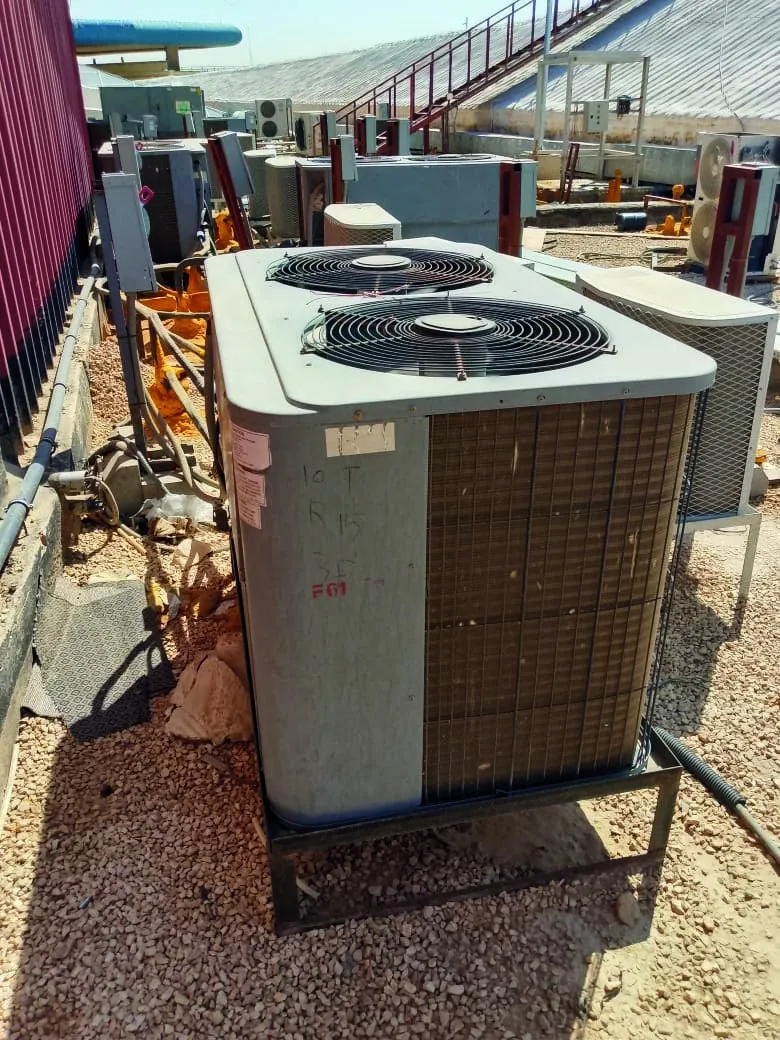
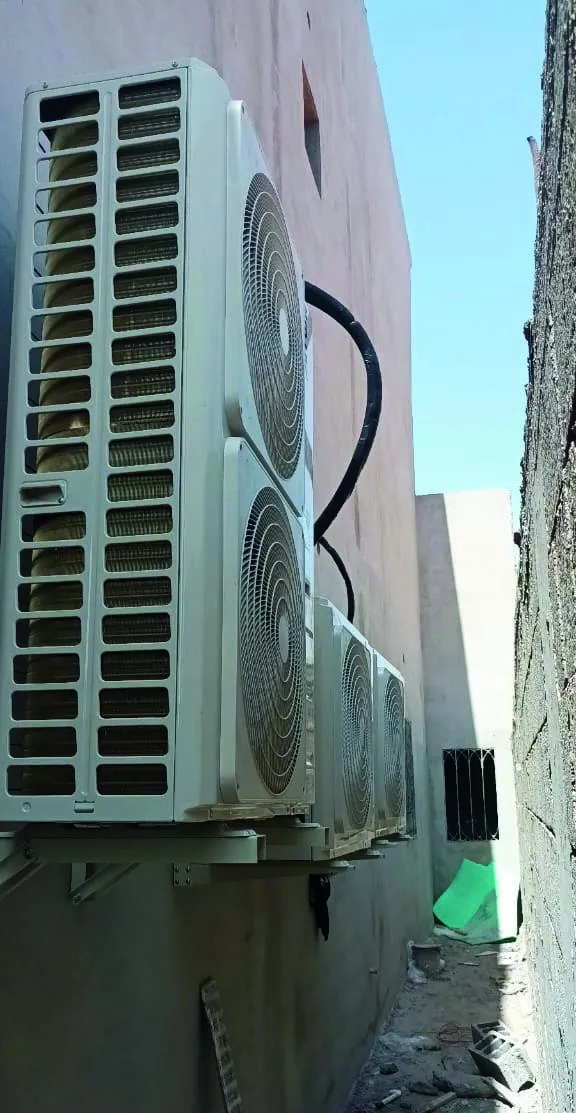
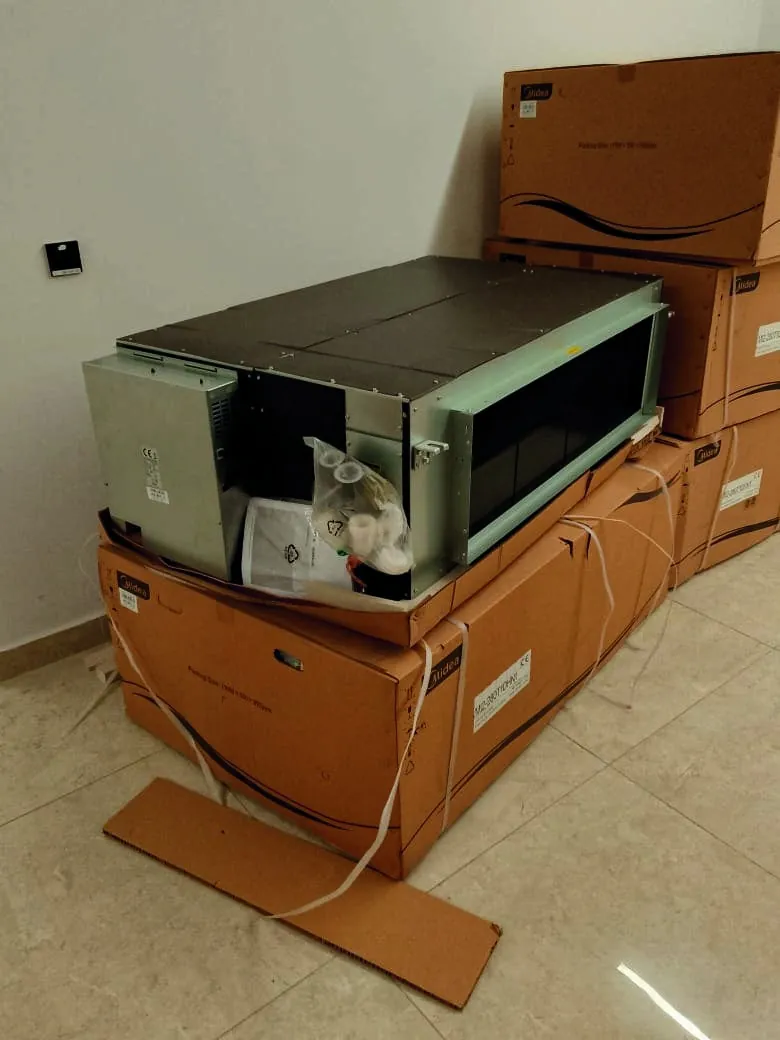
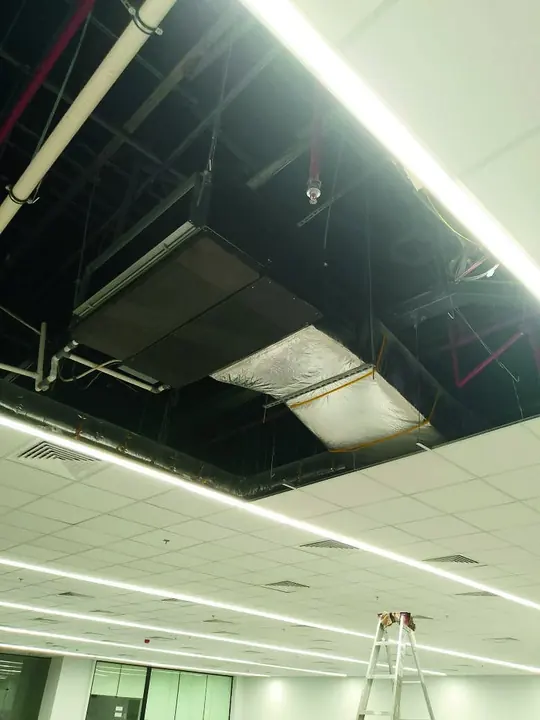
From our job sites

Common questions

All questions
When should AC rough-in be done in a new building?

Once the AC types and positions are decided, and before plastering and false ceilings close things up. At this stage copper, drain and electrical lines go into hidden routes and every unit position is fixed, so the final installation is quick and clean with no breaking into finished walls.

Can existing pipework be reused for a new AC?

Sometimes, but only after inspection. We check that pipe sizes suit the new unit and that insulation and joints are in good condition, then pressure-test the lines and flush them if needed. If the lines are unsuitable or damaged, replacing them costs less than risking the performance of the new unit.

Why is water leaking from my indoor unit?

The most common causes are a drain line blocked by dust and algae, too little fall on the line or a clogged drain pan. Sometimes dirty filters or low refrigerant make the coil freeze, and when the ice melts the pan cannot cope. We check the unit and the drain line to find the cause and fix it.

Why is a vacuum needed before starting the AC?

Pulling a vacuum removes air and moisture from the copper lines before the refrigerant is released. Moisture left in the circuit can cause blockages and form acids that degrade the oil and damage the compressor over time, so we treat it as an essential step that should never be skipped on any installation.

Planning an HVAC project or need maintenance?

Tell us what you need and our team will get in touch to agree the right solution and a site visit.