
Who we build cold rooms for
We specify each room around what it will store, in what quantities and how often goods go in and out. A vegetable and drinks room in a restaurant is not the same as a meat freezer or a medicine store. The basic split is between chilled rooms, which keep products cool, and freezer rooms, which keep them frozen and need thicker insulation and different equipment.
- Restaurants and central kitchens
- Grocery stores and supermarkets
- Pharmacies and medical storage
- Food distribution companies and warehouses
What makes up a cold room
A cold room is a complete system, and a weakness in any one part raises running costs and puts stock at risk. We select each component to match the others and the conditions on site. Freezer rooms in particular need extra care with floor insulation, joints and the door, because even a small thermal bridge can lead to ice build-up, condensation and higher consumption.
- Insulated panels for walls, ceiling and floor, to suit the room type
- A tight-sealing door with frame and gaskets suited to its use
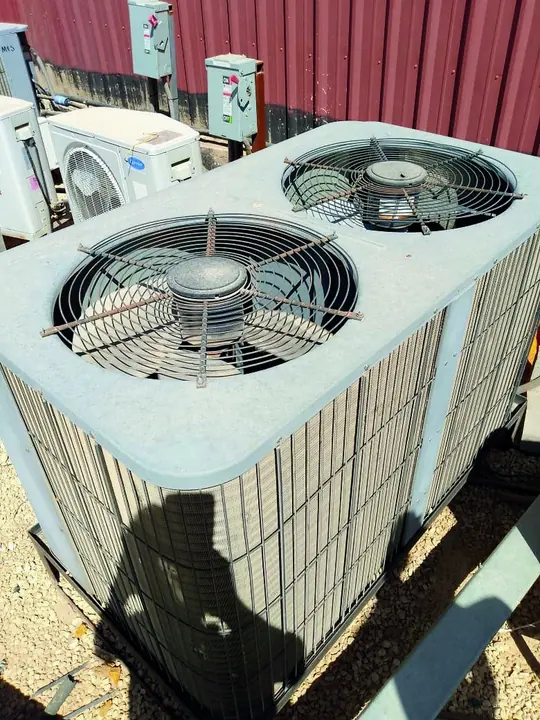
- Outdoor condensing unit and indoor evaporator sized for the load
- A controller to set and monitor temperature and manage defrost cycles
- Copper, drain and electrical connections for the room
Installation and start-up
We start by surveying the site to size the room and place the outdoor unit where it gets good airflow, away from trapped heat. After assembling the panels and sealing the joints, we fit the door, refrigeration unit and connections, pressure-test and evacuate the circuit before charging refrigerant, then start the room and watch it reach and hold the required temperature before handover.
We also design around how the room is used day to day, such as a door wide enough for deliveries, shelving positions and space for air to move around products and in front of the evaporator, because stock piled against the evaporator blocks cooling inside the room.
Cold room maintenance
Cold rooms usually run continuously, so they benefit a great deal from regular maintenance. We check door gaskets and seals, clean condenser and evaporator coils, confirm that defrost cycles and their drainage work properly, and review refrigerant pressures, electrical connections and controller readings to catch problems before they turn into a breakdown that threatens your stock. We also advise your staff to check temperature readings regularly and report any unusual change or strange noise from the unit early.